Procedural Noise Generator — Seamless Noise Textures Online
Generate seamless procedural noise textures: Perlin, Simplex, Worley, FBM, and more. Free PBR-ready noise maps for terrain, clouds, and masking.
Procedural Noise Generator Hub
The Noise category is the mathematical foundation of procedural texturing. It includes Perlin noise, Simplex noise, Worley (cellular) noise, FBM (fractal Brownian motion), blue noise, white noise, Gaussian noise, and many specialized variants. Noise functions produce statistically random but visually coherent patterns that tile seamlessly at any resolution, making them the ideal base layers for complex material networks — terrain displacement, cloud generation, organic detail overlays, and procedural masking.
Common Uses
- • Terrain height map and displacement generation for landscape tools
- • Cloud, fog, and atmospheric effect texture creation
- • Organic detail overlays and roughness variation maps for complex materials
- • Procedural mask generation for material blending and breakup layers
Top Generators
How to use this hub
Noise generators are building blocks, not final materials. Start with the noise type that matches your visual target (Perlin for smooth clouds, Worley for cellular organic shapes, FBM for terrain-like layered detail), then tune Scale and Octaves to set the frequency range. Use the output as a base layer, blend mask, or detail multiplier in your material graph.
What makes this category different
Noise functions form the backbone of all procedural texturing. Understanding the difference between Perlin (smooth gradient), Worley (cellular), Simplex (efficient alternative to Perlin), and FBM (layered detail) helps you choose the right starting point for any material challenge.
Noise Textures
Category FAQ
Which generator should I open first?
Open the generator that is closest to your target surface, confirm the direction with real-time parameter adjustment, then return here to compare alternative options.
What value does this category page add?
It organizes related generators into a comparable framework, helping you understand family strengths before committing to a specific generator — faster than scanning the full library blindly.
How should I evaluate a generator result?
Check whether the generator helps you set the visual direction quickly, reach the target appearance without friction, and produce PBR maps that hold up under realistic lighting in your target engine.
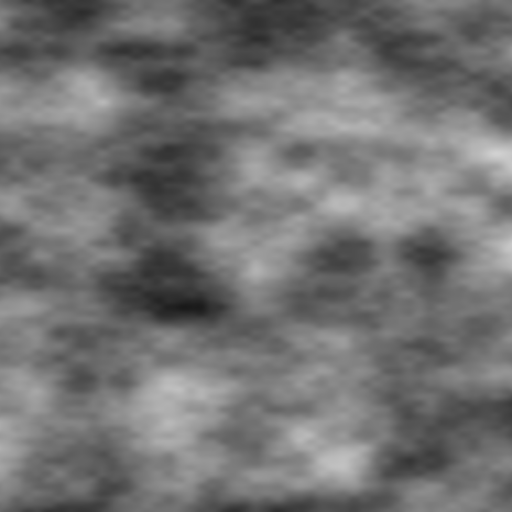
Perlin Noise Generator
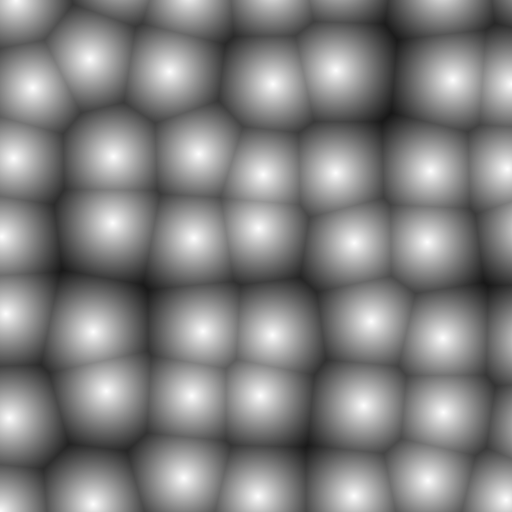
Worley Noise Generator
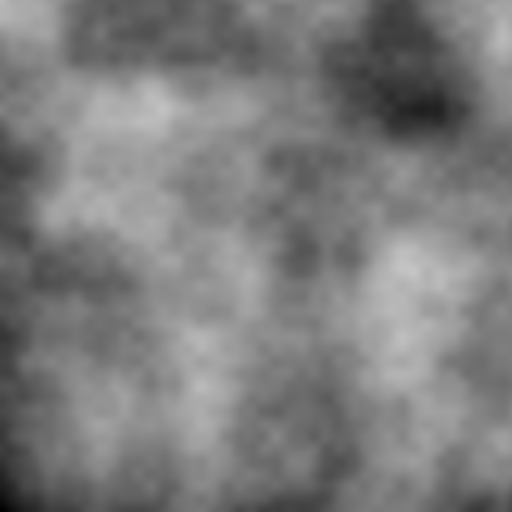
Simplex Noise Generator
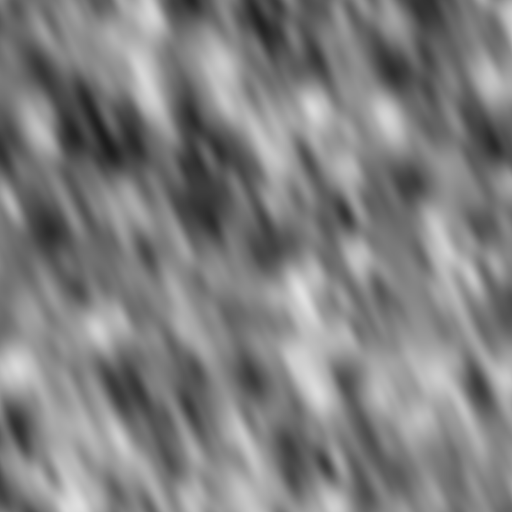
Directional Noise Texture Generator

Clouds Noise Texture Generator
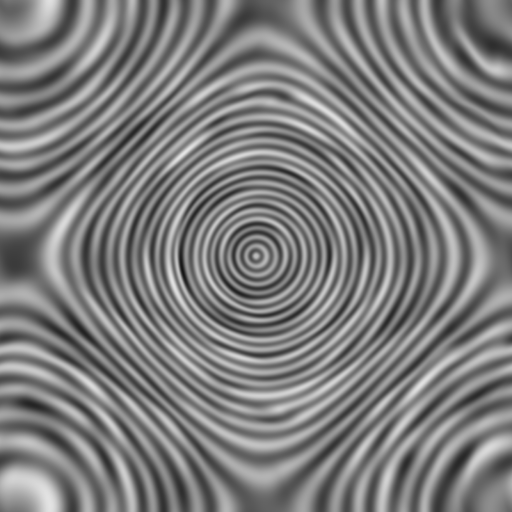
Anisotropic Radial Noise Generator
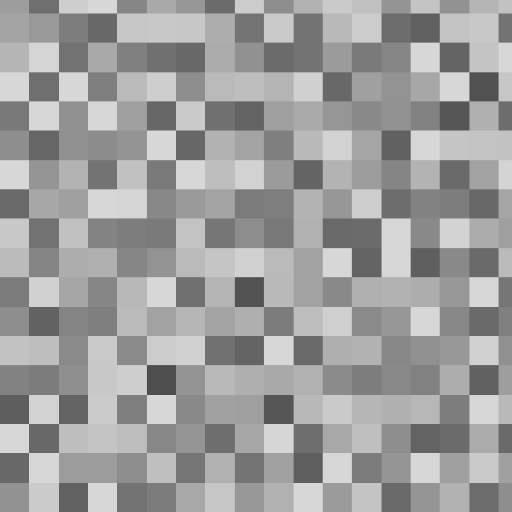
Blue Noise Texture Generator
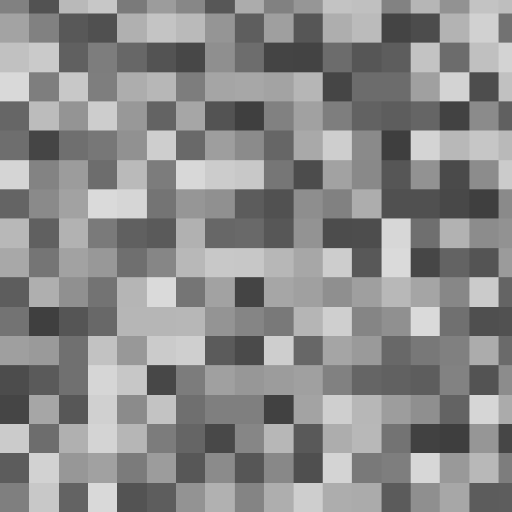
White Noise Texture Generator

Gaussian Noise Texture Generator

Gaussian Spots Texture Generator

Waveform Noise Texture Generator
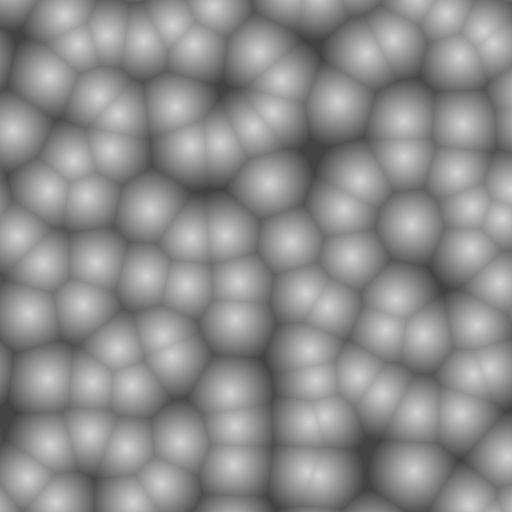
Cellular Noise Mask Texture Generator

Value Noise Soft Texture Generator

Signal Bands Noise Texture Generator
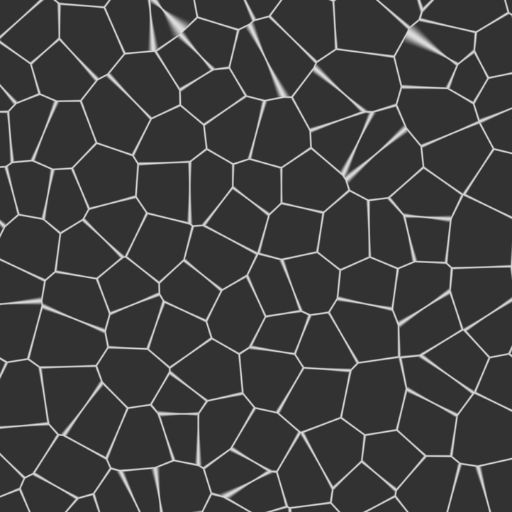
Cellular Edge Noise Texture Generator
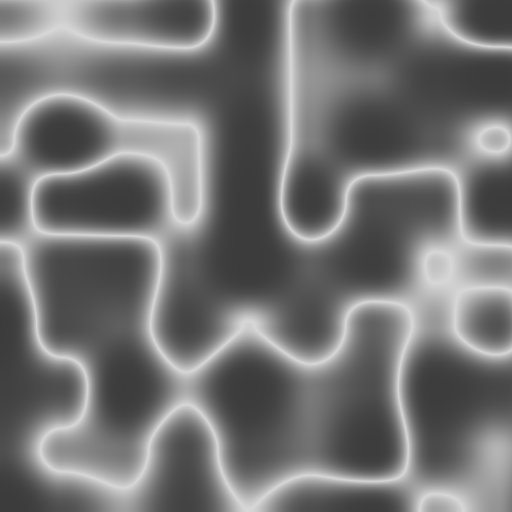
Value Noise Ridge Texture Generator

Signal Scan Noise Texture Generator
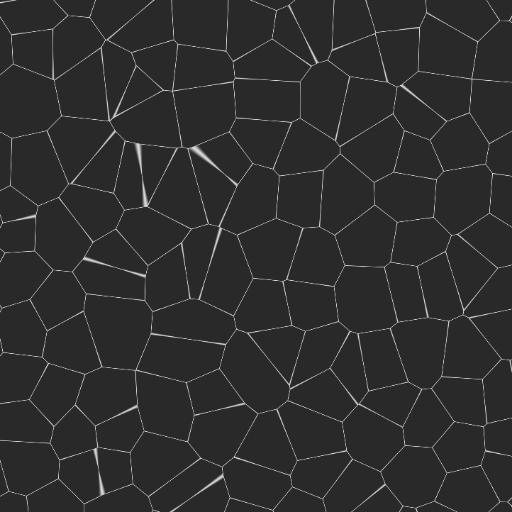
Cellular Cracks Noise Texture Generator
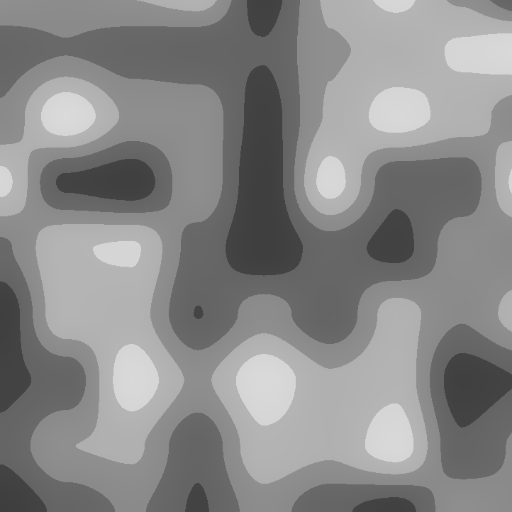
Value Noise Terrace Texture Generator

Signal Pulse Noise Texture Generator
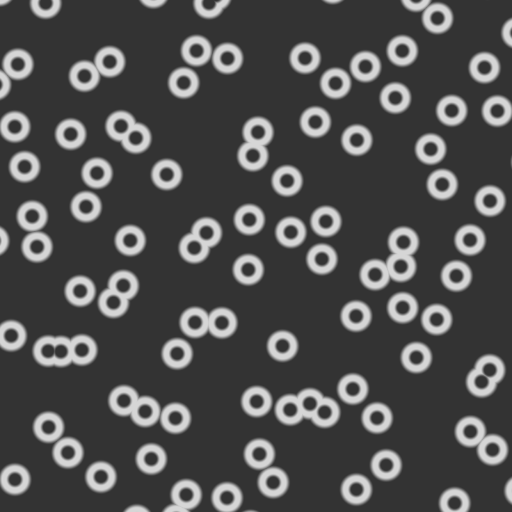
Cellular Void Noise Texture Generator

Value Noise Bands Texture Generator
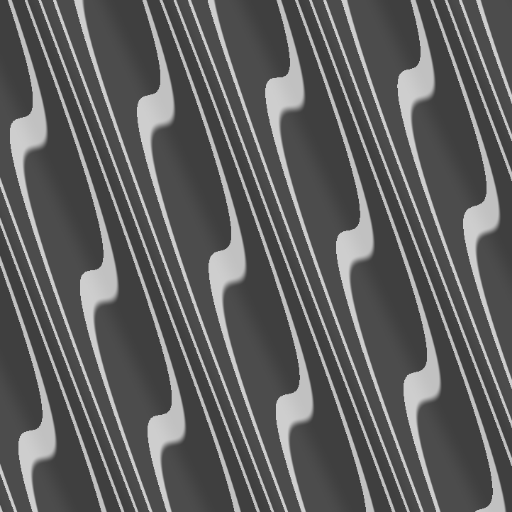
Signal Gate Noise Texture Generator

Cellular Void Variation Texture Generator
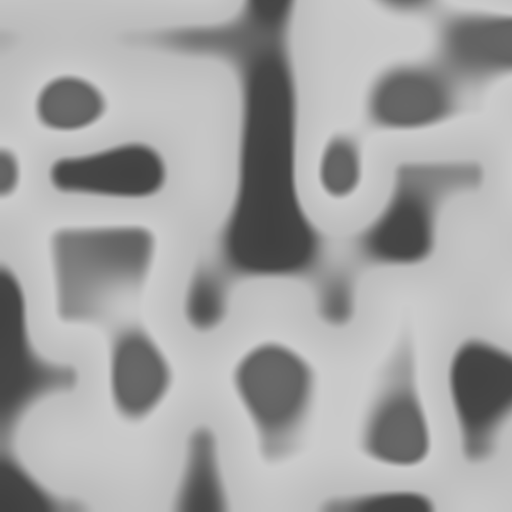
Value Noise Plateau Texture Generator

Signal Latch Noise Texture Generator