
Fabric library
Fabric Studio
Woven fabric textures with tileable previews, channel inspection, shareable URLs, and PBR export.
Fabric Studio
Woven fabric textures with tileable previews, channel inspection, shareable URLs, and PBR export.
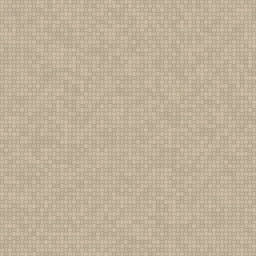
Plain Weave
Balanced over-under cotton weave for a clear default woven structure.
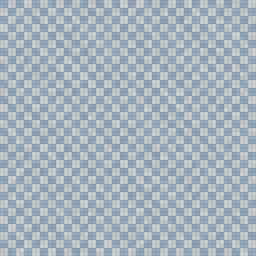
Oxford Cloth
Basket weave shirt fabric with warp and weft color split for a pinpoint texture.
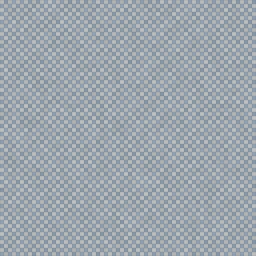
Chambray
Light plain weave workwear cloth with soft warp and weft color mixing.
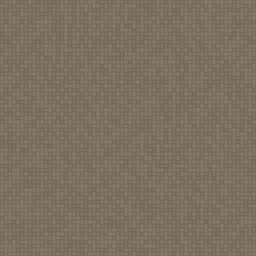
Basic Twill
Directional diagonal woven ridges for a versatile workwear base.
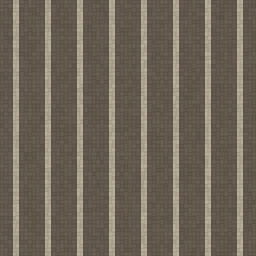
Twill Stripe
Directional twill ridges with clean yarn-dyed stripe bands for workwear and shirting.
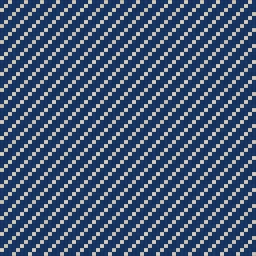
Denim Twill
Clean indigo warp and pale weft twill with yarn-level color separation.
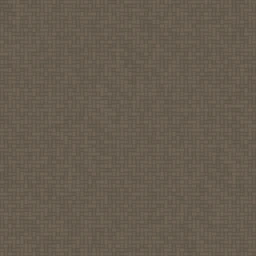
Herringbone Twill
A twill direction flip pattern with closed repeats for seamless tiles.
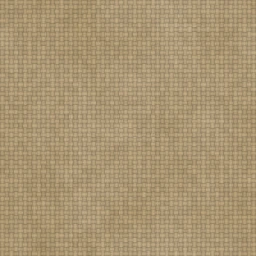
Linen Slub
Dry linen yarns with visible slub, uneven width, and low saturation breakup.
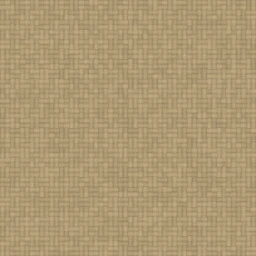
Basket Weave
Grouped over-under coarse yarns with chunkier block rhythm.
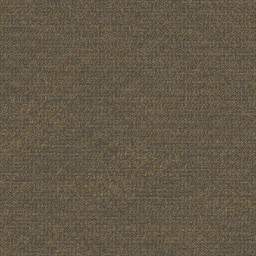
Tweed
Fuzzy wool twill with fiber-level heather color mixing and dry surface breakup.
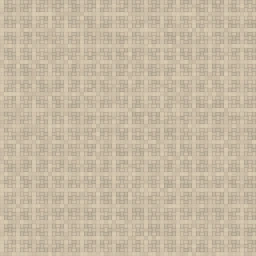
Waffle Weave
Raised grid cotton weave with recessed pockets for towels and thermal fabric.
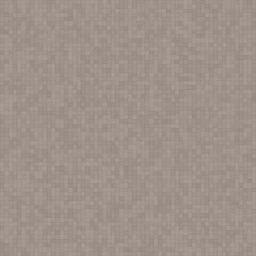
Smooth Satin
Long-float satin structure with low crossing frequency and smoother roughness.
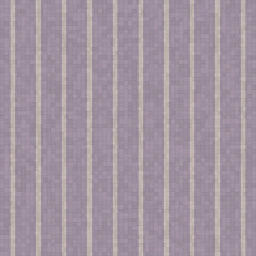
Satin Stripe
Striped satin with long floats, soft sheen, and clean yarn-dyed bands.
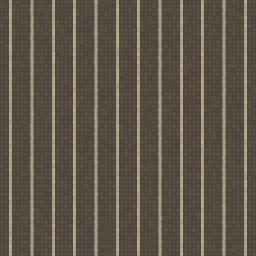
Pinstripe Cloth
Single-axis yarn-dyed stripes on a woven cloth base.
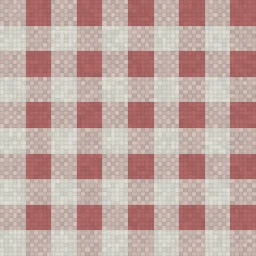
Gingham
Plain woven two-color check with even grid rhythm and light cotton texture.
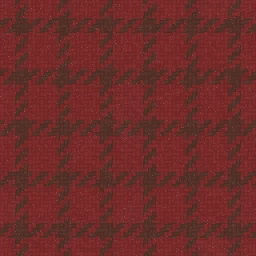
Plaid Flannel
Fuzzy woven plaid where warp and weft stripe colors follow the top thread.
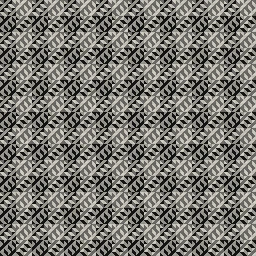
Houndstooth
Twill-based broken check with jagged tooth edges for suiting fabric.
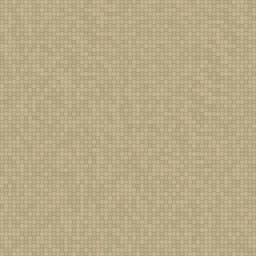
Cotton Duck
Heavy tight plain-weave cotton canvas with thick yarns for bags, workwear, and upholstery.
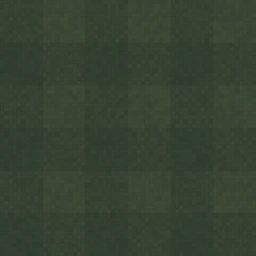
Ripstop
Lightweight synthetic plain weave with a faint reinforcement grid and slight sheen.
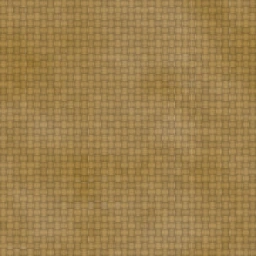
Burlap
Coarse open jute plain weave with heavy slub, dry fibers, and rugged depth.
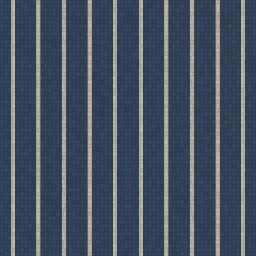
Ticking Stripe
Tight cotton twill with narrow yarn-dyed stripes in the classic mattress-ticking look.
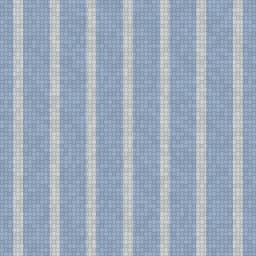
Seersucker
Puckered cotton stripes with raised crinkle bands and a soft summer-shirting surface.
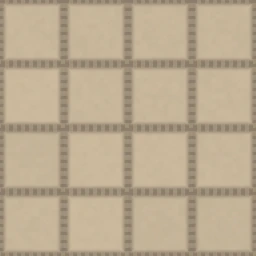
Quilted Fabric
Padded quilted textile with stitched seams, raised cells and soft cotton surface variation.
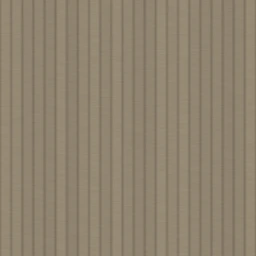
Rib Knit
Elastic rib-knit fabric with vertical raised ribs, looped yarn texture and soft groove shadow in height and AO.
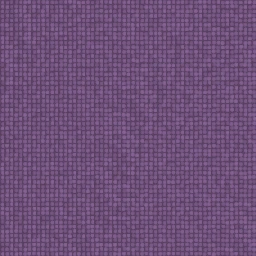
Plush Cut Pile
Dense cut-pile carpet with soft rounded tufts and deep saturated color.
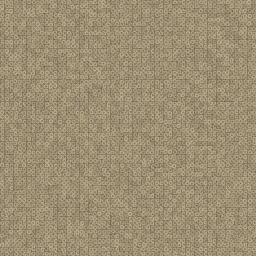
Berber Loop Pile
Looped wool berber carpet with flecked heather color and a dense low pile.
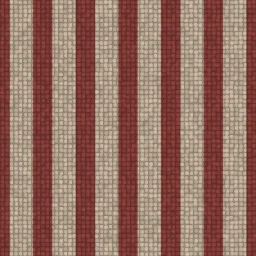
Striped Wool Runner
Cut-pile wool runner with bold yarn-dyed stripes running along its length.